

Wiring Upgrade Guide for Pre-War NYC Homes: Safety, Capacity, and Common Red Flags
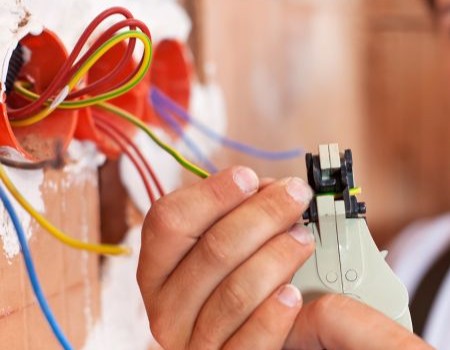
Owning a pre-war place in New York City is special. Thick plaster walls, real wood floors, and character you can't fake. But the electrical system hidden behind those walls may not match the way we live today. If you are planning a wiring upgrade NYC homeowners can rely on, this guide explains what to watch for, how capacity works in older buildings, and when to bring in a licensed electrician to keep your home safe.
Many classic apartments in the Upper West Side, Park Slope, Astoria, and Jackson Heights still run on wiring methods that were normal decades ago. They often struggle with today’s load from window ACs, induction ranges, space heaters, game consoles, and charging stations. When these demands push an old system, it can lead to nuisance trips, hot outlets, and hidden damage. If your home shows warning signs, schedule a professional electrical wiring upgrade with a team that understands NYC housing stock and co-op rules.
Why Pre-War New York City Homes Need Wiring Upgrades
Pre-war construction is sturdy, but the original electrical design assumed a few lamps and a radio. Fast forward. Kitchens now have high-watt appliances. Living rooms power big TVs and surround sound. Bedrooms run air purifiers and AC. This gap between old design and modern use is the main reason many New York City homes need a thoughtful wiring plan.
Older wiring may include cloth insulation that becomes brittle, two-prong outlets with no equipment ground, or aluminum branch circuits from mid-century renovations. Each has limits. Even if it still “works,” aging insulation and loose connections increase heat at terminals. Over time, that heat can carbonize insulation and lead to arcs. That is why upgrades are not only about convenience. They are about reliability and fire prevention.
Safety Red Flags You Should Never Ignore
Some issues are subtle, while others shout for attention. Here are common red flags in pre-war apartments and brownstones:
- Frequent breaker trips when a hair dryer, microwave, or space heater runs
- Warm or discolored outlets and switch plates, or a light “sizzle” when plugging in
- Two-prong outlets throughout, plus extension cords or power strips in every room
- Flickering lights when larger appliances turn on
- Older fuse panels, mixed fuses and breakers, or unlabeled circuits
If you notice a burning odor, a buzzing panel, or sparks when you plug in, stop using that outlet and call an electrician. **Heat, odors, or arcing are not normal** and need prompt attention from a licensed pro.
What A Modern Electrical Wiring Upgrade Includes
No two buildings are the same, but most upgrades follow a clear path. The goal is to create a safer, cleaner, and easier-to-service system that handles today’s lifestyle and tomorrow’s tech. A typical scope may include:
- Replacing aging branch circuits with modern copper wiring and grounded outlets
- Adding dedicated circuits for kitchen appliances, laundry, HVAC, and home office gear
- Installing a modern service panel with room for future circuits and smart protection
- Using safety devices like GFCI and AFCI protection in the right areas
- Rebalancing lighting and receptacle loads so rooms feel stable and consistent
Think of it like a highway upgrade. Old roads get congested and break down. A new system adds more lanes, clearer signs, and better on-ramps so traffic flows smoothly. **Balanced circuits and modern protection reduce nuisance trips and overheating** while giving you flexibility for upgrades like induction cooking or EV charging in the future, if your building allows it.
Common NYC Scenarios And Smart Solutions
Knob-and-tube wiring appears in many pre-war homes across Brooklyn and Queens, especially where renovations were partial. It might be tucked behind plaster with newer wiring spliced in odd places. While it once served well, insulation on these conductors can dry out over time. When discovered during a renovation, electricians often plan targeted replacement with new copper runs to each room.
Some mid-century updates used aluminum branch circuits. Aluminum expands and contracts more than copper, which can loosen terminations at devices over many years. A thorough upgrade replaces aluminum runs with copper and installs modern devices rated for today’s use. **Loose connections that generate heat are a serious hazard** and should be corrected by a licensed electrician who understands older building methods.
Lighting matters too. Pre-war homes rely on legacy fixtures and switch loops that were never intended for LED dimming or smart controls. A clean rewire lets you enjoy brighter, safer fixtures while keeping the historic look. If you are planning a lighting refresh as part of your project, consider coordinating it with circuit work and device upgrades. Explore related services like lighting improvements so your new wiring and fixtures are planned as one system.
How Capacity Works In Older Apartments
Capacity means how much power your system can deliver at once without overheating conductors or tripping breakers. In many walk-ups from Inwood to Cobble Hill, you may have a limited service size and too few circuits. Add a microwave, window AC, and blow dryer, and the weak point shows fast.
Modern wiring distributes load so high-watt gear gets its own circuits and living spaces share power more evenly. The service panel is the “traffic cop” that feeds each circuit and protects conductors. If you constantly plug and unplug things to keep breakers from tripping, your home likely needs a capacity review along with updated wiring. **An assessment by a licensed electrician can reveal which circuits carry too much load** and where new dedicated lines will make the biggest difference in comfort.
Planning Your Upgrade In New York City Buildings
Every building has its own rhythm. Co-ops may require approval and scheduled work windows. Brownstones may have layers of plaster and lath that need careful access and clean patching. Condo boards set rules for hallway protection and debris removal. A well-planned wiring upgrade accounts for these realities so the job moves quickly and cleanly.
A good first step is an on-site assessment to map circuits, identify risky splices, and check panel capacity. From there, your electrician will outline a phased plan that respects neighbors and minimizes disruption. If you are just starting your research on a New York City electrician that homeowners can trust, begin by learning how updated circuits improve safety, comfort, and future flexibility.
NYC tip: Summer humidity and winter space-heater season push old wiring hard. If your lights dim when the AC kicks on or outlets feel warm, schedule a professional check before peak season. A timely upgrade prevents overloaded circuits during extreme weather.
Room-By-Room Priorities For Pre-War Homes
Kitchens often come first. High-watt appliances and counter devices benefit from dedicated circuits and grounded outlets. Bathrooms need safe, moisture-ready protection with modern devices. Living rooms and bedrooms gain from balanced receptacle placement to end the power-strip maze.
Hallways and basements are where you may find the “museum” of past renovations: mixed cable types, abandoned junctions, and legacy splices. A careful rewire cleans this up, labels everything, and leaves a neat panel schedule that any future pro can follow. That level of organization pays off whenever you add a new fixture or upgrade an appliance.
Minimizing Disruption During Your Project
Many homeowners worry about holes and dust. An experienced NYC electrician plans wire routes to limit wall openings, coordinates with plaster or drywall pros, and keeps common areas spotless. Work is often sequenced room by room, so you can keep living at home. Protective floor coverings and daily cleanup keep historic finishes safe.
If you own a rental unit in Williamsburg or Long Island City, planning upgrades between tenants can reduce downtime and help your listing stand out. New, grounded outlets and consistent lighting are small details that renters notice and trust.
How Crossland Management & Electric Approaches Older Wiring
At Crossland Management & Electric, we start with listening. You tell us where power falls short. We test, trace, and label so we know what is behind your walls before we recommend changes. Then we build a clear scope that targets the most important safety and comfort gains first. When it fits the plan, we coordinate lighting, smart switches, and surge protection so the whole system feels complete.
If you are ready to map your options, explore our approach to a safe electrical wiring upgrade and see how a modern layout can support the way your household actually lives.
When To Call An Electrician
Call a licensed electrician if you see repeated breaker trips, hear buzzing at the panel, smell something burning, or find hot outlets or switches. Also, call if you still have two-prong receptacles or discover cloth-insulated or aluminum wiring during a renovation. These are reliable signs your system needs attention from a pro. Avoid temporary fixes or adding more power strips. They shift, not solve, the problem.
For related issues like damaged outlets, light flicker, or dead circuits after a storm, coordinated electrical repairs can stabilize your system while you plan a full upgrade. That way, you stay safe and functional in the short term.
Ready To Upgrade Safely?
A well-planned wiring project protects your home and gives you the power you need, where you need it. It should feel seamless, from the first assessment to the final label in the panel. Call Crossland Management & Electric at 718-740-0939 to schedule a visit and get a clear plan for your pre-war apartment or brownstone. Our licensed team respects your building, your neighbors, and your time.
If your home shows any of the red flags in this guide, take the next step with a trusted NYC pro and start your professional wiring upgrade today.


