

Outlet Not Working in Your NYC Home? Common Causes and When to Call an Electrician
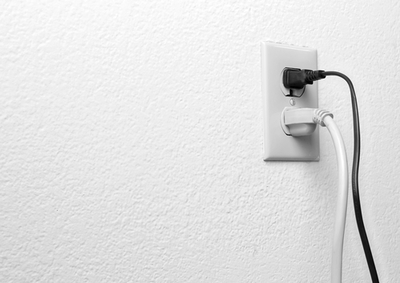
If an outlet stopped working in your New York apartment or brownstone, you are not alone. Older buildings, heavy seasonal loads, and wear and tear make “outlet not working” one of the most common service calls citywide. This guide explains likely causes, what a licensed electrician checks during outlet repairs, and when to bring in a pro so your home stays safe and functional. For quick scheduling with Crossland Management & Electric, Inc., call 718-740-0939.
Outlet Repair NYC: The Most Common Reasons Outlets Stop Working
Outlets can fail for simple or complex reasons. In New York City housing, these issues show up often because many apartments share circuits, see frequent tenant turnover, and run high-demand devices like window ACs and space heaters.
- Tripped protection: A circuit breaker, GFCI, or AFCI device may have opened to prevent a shock or fire hazard.
- Loose or worn connections: Backstabbed wires, fatigued screws, or worn receptacle contacts can interrupt power or cause intermittent power.
- Heat and overload: Space heaters, portable ACs, and hair dryers draw heavy current that can overheat weak points over time.
- Age and material issues: Some mid‑century buildings used aluminum branch wiring that needs special handling to remain safe and reliable.
- Hidden junction problems: Behind plaster or tile, older junction boxes can have failed splices or deteriorated insulation.
- Shared neutrals and multi‑wire branches: Common in prewar and renovated multi‑family buildings, these can complicate troubleshooting.
Any of these may appear as a dead outlet, flickering when you move a plug, or devices that run only at certain times. If you notice heat, a burning smell, or visible charring, stop using power in that area and call a professional immediately.
How GFCI and AFCI Outlets Behave in New York Apartments
Safety devices protect people and property, but they can also be the reason an outlet is not working. Ground‑fault circuit interrupters (GFCIs) are common in kitchens, bathrooms, laundry areas, and on outdoor circuits. They cut power within milliseconds if they detect a ground fault. Arc‑fault circuit interrupters (AFCIs) help reduce fire risk from arcing, which can happen with damaged cords or loose connections.
In humid New York summers, kitchens and baths see steam and condensation. That moisture can contribute to nuisance tripping on older GFCIs. AFCIs can also trip if they sense arcing from worn cords, bargain power strips, or poor connections in older receptacles. A licensed electrician can test these devices, verify line/load wiring, and replace outdated units with modern, tamper‑resistant receptacles that are better at filtering electrical noise without reducing safety.
When To Call a Licensed Electrician in NYC
Some signs point to a bigger electrical issue that should be evaluated by a pro:
- Repeated tripping on the same outlet or breaker, especially when a high‑draw appliance runs.
- Warm or discolored outlet covers, buzzing sounds, or a faint burning odor from a device or wall.
- Partial power in a room, lights dimming when you plug in appliances, or multiple outlets going dead at once.
- Two‑prong outlets, loose plugs that fall out, or visibly cracked receptacles.
- After a leak, flood, or bathroom moisture event, especially in high‑rise bathrooms and kitchens.
NYC homes range from prewar co‑ops on the Upper West Side to mid‑century towers in Queens and newer condos in Brooklyn. Each has distinct wiring methods and panel layouts. A licensed electrician who works in the five boroughs will understand building rules, service‑room access, and coordination needs with management or supers.
Do not try to force a breaker to stay on or repeatedly hit “reset” on a GFCI that keeps tripping. That device may be preventing a hazard. Instead, bring in a qualified electrician to find the root cause so you restore power safely.
Seasonal loads stress NYC circuits. Window ACs in July and space heaters in January can push old outlet connections to their limit. If your home relies on these, ask a licensed electrician about dedicated circuits or heavy‑duty receptacles before peak season to reduce nuisance trips and overheating.
What a Pro Checks During Outlet Repairs
Professional outlet troubleshooting is methodical. A licensed electrician focuses on cause, not just the symptom, to keep the issue from returning.
Here is what that visit often includes:
- System assessment: Confirm correct voltage at the panel, check for shared neutrals, and verify breaker type and condition.
- Device inspection: Test the suspect outlet, then examine upstream receptacles, switches, or GFCIs that may feed it.
- Connection quality: Look for backstabbed wires, loose terminal screws, or undersized wire nuts, especially in older plaster walls.
- Circuit loading: Identify appliances on the same run. Frequent offenders include space heaters, hair tools, microwaves, and window ACs.
- Replacement and upgrades: Install a spec‑grade, tamper‑resistant receptacle or a new GFCI/AFCI device as appropriate, with proper pigtails and torque.
- Documentation and labeling: Mark the panel and outlet locations clearly to reduce future guesswork for you and building staff.
If aluminum wiring is present in a mid‑century high‑rise, the electrician will use approved connectors and techniques designed for that material and may recommend receptacles listed for the specific application. In prewar homes, brittle cloth‑insulated conductors and crowded boxes get special care so that restored connections are both safe and durable.
Why Outlets Fail More Often in NYC Buildings
New York housing stock is unique. Many apartments were modernized multiple times across decades. That creates a patchwork of methods behind the walls.
In brownstones in Park Slope or Harlem, you might see layers of plaster over old junctions and limited box fill space. In high‑rises in Midtown or Long Island City, heavy elevator and mechanical loads share vertical chases that can introduce electrical noise. Near the waterfront, salt air exposure from the Rockaways or Red Hook can accelerate corrosion on outdoor or garage receptacles. Add the city's reliance on portable appliances, and weak points in an outlet show up faster.
The result is more frequent complaints of outlets that run hot, stop working when a neighbor's load changes, or fail after humidity spikes. A careful survey by a qualified electrician can separate building‑wide quirks from a local outlet problem so you are not chasing symptoms.
GFCI, AFCI, and Tamper-Resistant Upgrades That Add Safety
Today's receptacles offer better protection and stronger contact tension than older models. In homes with kids, tamper‑resistant outlets help reduce accidental insertions. Kitchens, baths, and laundry areas benefit from current‑generation GFCIs that are less prone to nuisance trips yet still respond instantly to faults. Many bedrooms and living areas are protected by AFCI breakers or outlets that detect dangerous arcing from damaged cords or loose connections.
An electrician can review where these devices make the most sense for your home's layout and wiring type. They can also match outlet ratings to real‑world needs, like heavier‑duty receptacles for window ACs or home office equipment that runs all day.
What To Expect During a Service Visit
Every home and building has its own rhythm, so timing varies. Most visits begin with a brief conversation about what you noticed and when it happens. The electrician will then test at the panel and at the affected outlets, trace the circuit path, and check nearby devices that may be feeding the problem area.
If a device is defective, they will replace it with a modern, code‑appropriate receptacle, verify polarity and grounding, and tidy up any questionable splices. If the issue is upstream, they will address the real cause so the fix lasts. You will get clear notes on what was found and how to prevent repeat issues, such as reducing high‑draw devices on the same run or planning a dedicated circuit for seasonal loads.
Local Context: NYC Homes, Building Rules, and Coordination
Work in co‑ops and condos often requires coordination with supers or property managers for service room access or shutoffs. Many buildings prefer weekday daytime work and advance notice, especially on risers that affect neighbors. A local electrician familiar with Upper East Side prewar constraints, Downtown loft layouts, and outer‑borough garden‑level entries can plan the visit to reduce disruption.
If water has reached outlets or boxes after a leak or storm, do not use those receptacles until a professional inspects them. Moisture can create invisible hazards inside devices and wiring that look fine from the outside.
Planning Preventive Improvements
Preventive measures are often simple updates that pay off in comfort and safety. Consider discussing the following with a licensed electrician who understands New York buildings:
- Upgrading worn or two‑prong receptacles to modern, tamper‑resistant models.
- Placing window ACs, microwaves, or vanity hair‑care tools on circuits designed for their load.
- Labeling panels clearly so you and building staff can act fast if a device trips.
- Adding whole‑home surge protection to protect electronics and modern appliances from voltage spikes.
You will also benefit from documenting where GFCIs and AFCIs live in your home, so a future pro can find them quickly. For apartments with frequent tenants or short‑term rentals, that labeling prevents confusion when power stops at a single outlet.
Ready To Restore A Safe, Reliable Outlet?
Whether you are in a prewar walk‑up on the Lower East Side or a high‑rise condo in Downtown Brooklyn, Crossland Management & Electric, Inc. is here to help. We prioritize safety, clear communication, and tidy work, and we coordinate with building staff to keep your day moving. To learn more about how we handle diagnostics and replacement during outlet repairs, talk with our team.
For fast scheduling, call us at 718-740-0939 and share what you are experiencing. You can also explore more about outlet repair NYC on our site to understand how we approach tricky building wiring and seasonal loads.
Need reliable outlet repair in NYC today? Contact Crossland Management & Electric, Inc. for licensed troubleshooting and replacement done right the first time.


