

Industrial Electrical Maintenance Tips for NYC Warehouses & Manufacturing Facilities
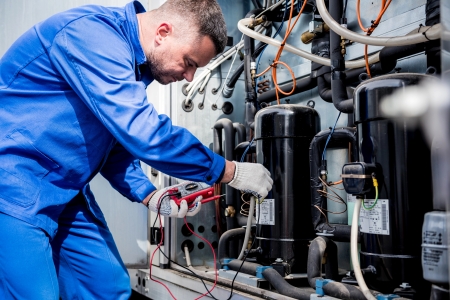
Power drives everything in a warehouse or plant. When it hiccups, production stalls, and safety risks rise. This guide shares practical, facility-level ways to tighten up industrial electrical maintenance in New York City. For deeper risk reduction, build your plan around routine electrical inspections and align it with your overall industrial electrical maintenance in New York City strategy.
Why Industrial Electrical Maintenance Matters In New York City
NYC facilities run hard. From Long Island City and Maspeth to Hunts Point and Sunset Park, buildings are older, power needs are higher, and access can be tight. Heavy equipment starts, conveyor loads, cold storage, and automation all stress distribution equipment. The more cycles and heat, the more likely you'll see loose terminations, insulation wear, or nuisance trips.
Downtime here isn't just a line stoppage. It can ripple into missed truck windows, spoiled inventory, and overtime. A consistent maintenance plan lowers those risks, protects people, and maintains compliance with applicable standards without guessing at rules or pricing.
Preventative Maintenance Schedules That Work For Warehouses And Factories
Think in seasons and shifts, not just calendar dates. NYC's temperature swings and humidity put extra stress on gear, and many facilities operate late nights or weekends to avoid traffic. Work with a licensed NYC electrician to map maintenance windows that fit your production rhythm.
- Quarterly: Thermal scans of switchboards, MCCs, disconnects, and busway joints; torque checks where appropriate; visual checks for discoloration and dust loading.
- Semiannual: Test GFCI and AFCI protection where installed; clean and re-label panels; verify grounding and bonding connections in high-vibration areas.
- Annual: Review coordination settings, update one-line drawings, and reassess arc-flash labels as equipment changes; sample insulation resistance on critical feeders.
Document every finding and fix. **A written maintenance log and an updated one-line diagram save time and reduce errors during emergencies.** If your team hasn't refreshed drawings in a while, start there and link inspections to those diagrams.
Minimizing Downtime With Panel And Wiring Upgrades
Chronic breaker trips, warm panel fronts, or frequent motor restarts signal capacity or distribution issues. In many NYC facilities, legacy gear still feeds today's heavier loads. Targeted upgrades can stop nuisance outages and improve safety.
Start with a condition assessment. A licensed electrician can evaluate load balance, neutral and ground integrity, conductor temperature rise, and breaker age. If your main or subpanels are undersized or crowded, consider staged panel upgrades tied to planned shutdowns. Spreading work across nights or weekends reduces production impact.
Wiring matters as much as the panel. Feeder routes that cut across high-heat areas or pass near steam lines age faster. Conduit fill errors and tight bends can raise conductor temperatures and voltage drop. Realigning routes and right-sizing conductors often stabilizes equipment behavior.
When you plan a change, pair it with electrical inspections to set a clean baseline. That way, your team can track whether the upgrade actually reduced trips and heat readings over the next two seasons.
Safe Power Distribution In Industrial Spaces
Industrial floors are busy. Forklifts, pallets, carts, and overhead cranes all add risk around power equipment. A few distribution habits can make a real difference.
- Keep gear accessible: Maintain clear, marked working space around panels and disconnects so technicians can service equipment quickly.
- Label everything: Match panel directories to actual circuits. Use durable labels on feeders, raceways, and drops to speed troubleshooting.
- Balance loads: Uneven phases cause heat and shorten equipment life. Periodic load studies help even things out across production shifts.
- Protect cords and drops: Use guarded drops and proper strain relief where portable equipment connects, especially in high-traffic aisles.
Above all, **never open or work inside an electrical panel if you are not a licensed electrician.** Lock panels, manage keys, and train teams to report issues instead of trying to fix them themselves.
What Facility Managers Should Watch Between Service Visits
Maintenance is more than calendar events. It is a daily culture of observation on the floor. Ask supervisors to escalate small clues before they become outages.
Call your electrician if you notice any of these red flags:
- Warm or buzzing panels, junction boxes, or busway joints
- Frequent breaker trips on the same lines or machines
- Dim or flickering lighting in aisles or cold storage areas
- Discolored receptacles or a persistent odor of heated insulation
- Portable cords with flattened or damaged jackets
For a refresher on why consistent checks matter, share this article with your safety committee: the importance of electrical safety inspections. It pairs well with your maintenance training.
Seasonal Challenges For NYC Facilities
Summer brings longer cooling cycles and higher ambient temperatures. Roof-mounted equipment and mezzanine panels run hotter, so thermal scans and filter cleanings pay off. Schedule those checks before July heat waves arrive. **Planning ahead prevents last-minute shutdowns during your peak production weeks.**
Winter introduces space heaters in offices and break areas, and dock doors cycle more, which can stress door operators and lighting circuits. Salt and moisture tracked in from the streets can creep into floor boxes near loading docks. Short, targeted walkthroughs after storms can catch water intrusion and corrosion early.
In flood-prone areas along the waterfront in parts of Brooklyn and Queens, keep critical gear off the floor and protected from splash. Where gear must stay low, routine inspections and sealing around conduits can reduce moisture risks.
Coordination In Multi-Tenant Industrial Buildings
Many NYC warehouses and makerspaces share service rooms and risers. That means one tenant's outage can affect others if access or labeling is unclear. Clarify who controls what, keep shared doors accessible, and align outage windows with neighboring tenants and building management.
When critical changes are planned, send a short notice with the work scope, expected amperage changes, and timing. **A simple, written shutdown plan with contacts and contingency steps keeps everyone aligned.**
Build A Maintenance Roadmap You Can Stick To
A solid roadmap is simple: inventory your gear, prioritize by risk, set a schedule, document, and recheck after changes. Tie your plan to operating realities like overnight deliveries or weekend picking. The best plan is the one your team can execute consistently.
If your facility has grown or retooled recently, start with baseline testing and book an electrical inspection to verify capacity, protective device health, and grounding. From there, roll improvements into your next scheduled outage so you avoid surprise downtime.
Ready To Strengthen Your Facility's Electrical Reliability?
When you need an NYC-based partner who understands warehouse and manufacturing realities, {{ company-name }} is ready to help. Call {{ phone-number which='1' }} to coordinate maintenance around your production schedule. Or, if you want to reduce risk before the busy season, start by scheduling thorough electrical inspections that align with your preventative maintenance plan.


